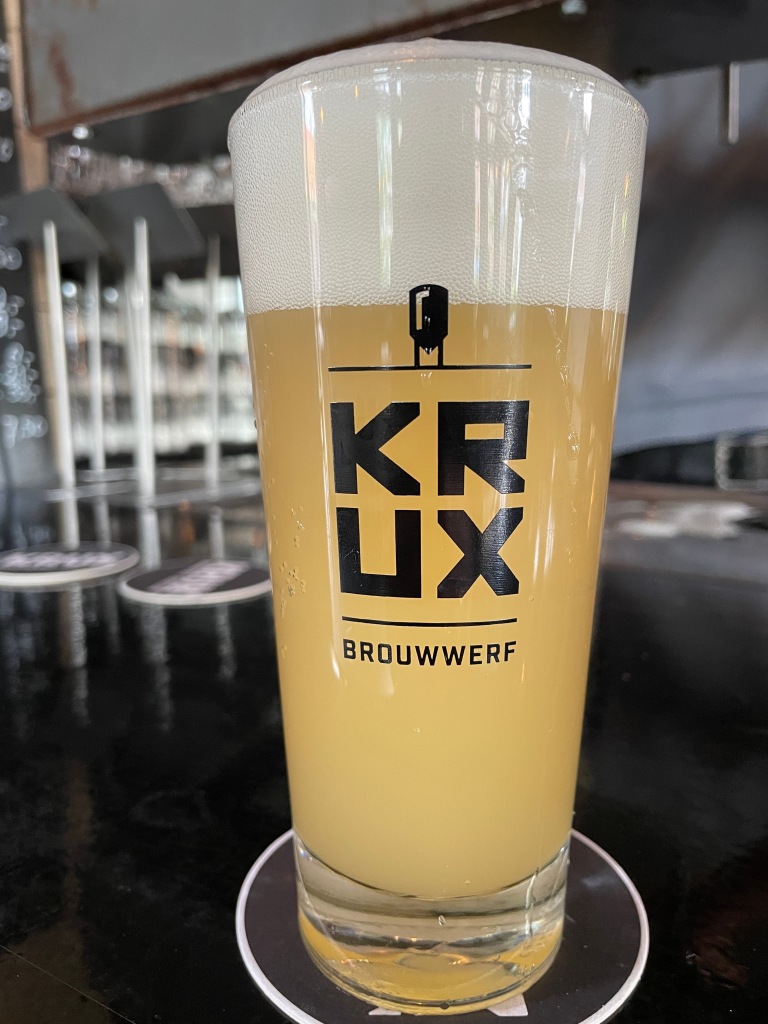
If you are a tourist in Amsterdam with your eyes set on visiting a brewery your first thoughts will likely go to the iconic windmill of ‘t IJ or maybe places like De Prael, Troost or even the Heineken brewery. But there are more interesting breweries to visit in Amsterdam, if you know where to look. So here is my first installment of “What else to drink in Amsterdam”, a look at some of the smaller, unknown breweries the capital has within its borders. Today we start off with a little gem in the far eastern part of Amsterdam: Krux.
Krux is located on Cruquis Island. Once it was part of the harbor, where big ships would dock and deliver their goods, often from Asia. The brewery is located at exactly such a site with a rich maritime and industrial history. But you wouldn’t know that immediately when you walk into the neighborhood.
Most of its industrial history has vanished, replaced by newer looking residential buildings. If you are lucky your apartment will overlook the last part of the water before it turns into the Ijsselmeer. Interesting, but not something unique these days in expanding cities.
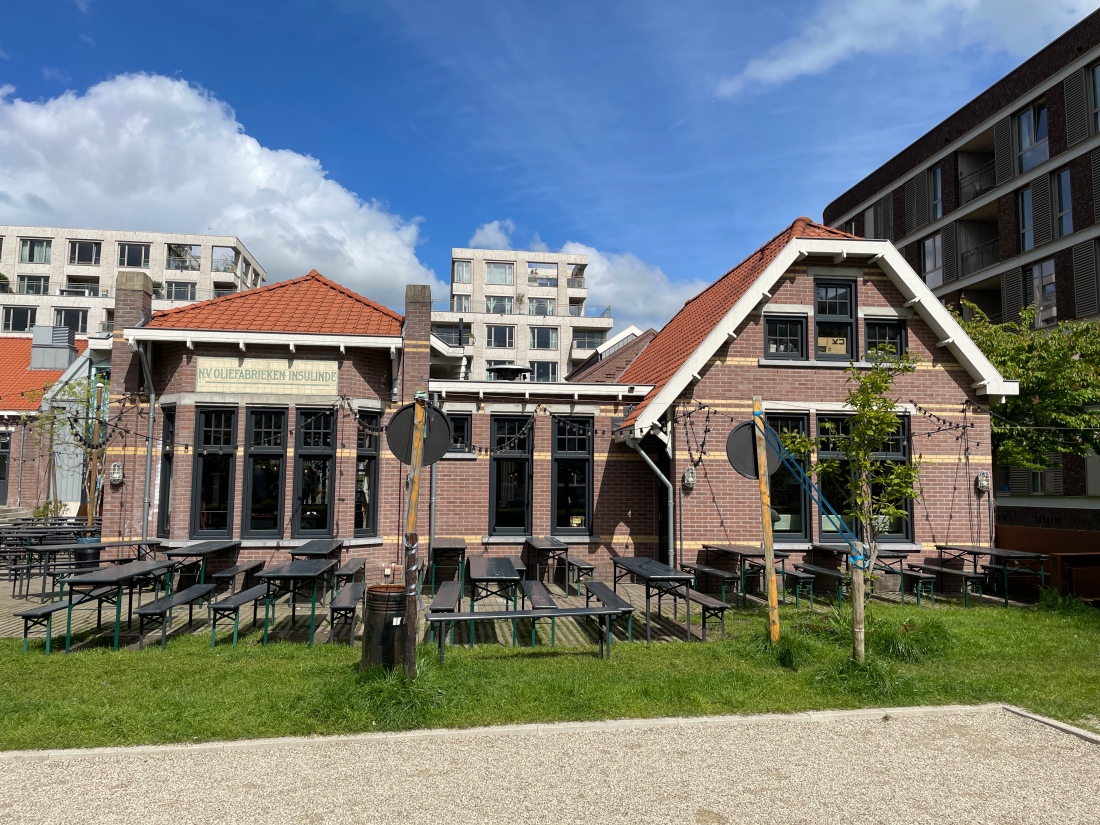
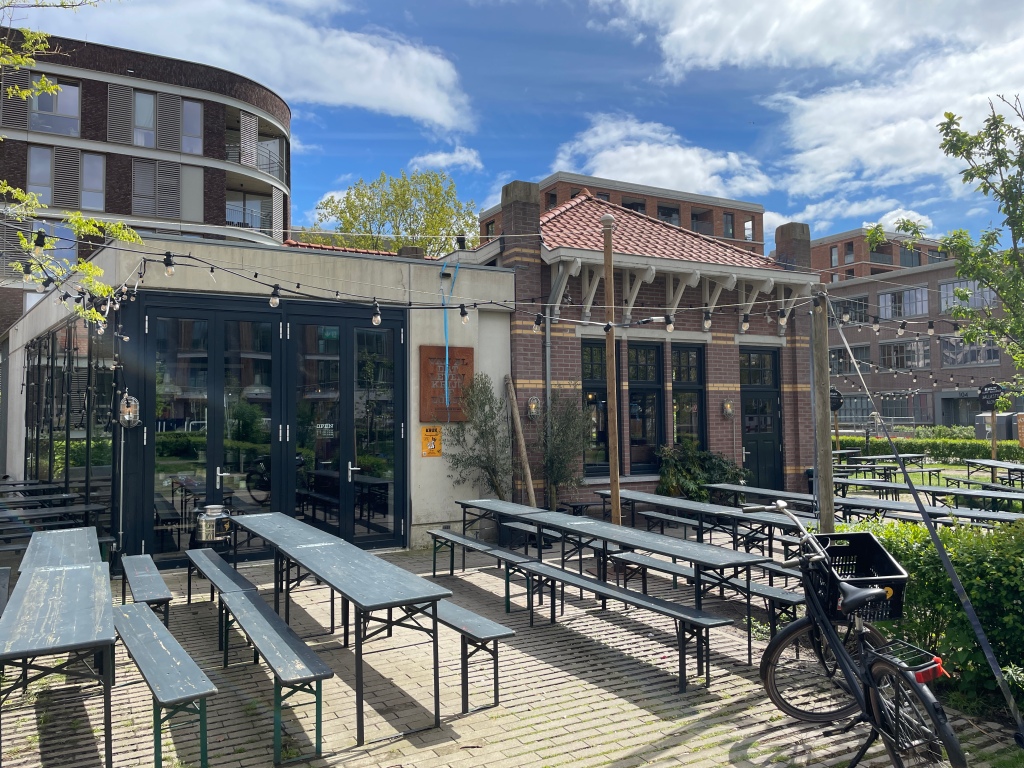
Yet in a courtyard of sorts stand three different buildings that are from another era. The early twentieth century as it turns out. They were buildings of a soap manufacturer. Coconut oil was brought in all the way from Indonesia and turned into ingredients, for margarine for example. This factory didn’t last long, when the owner died the company folded but the buildings remained.
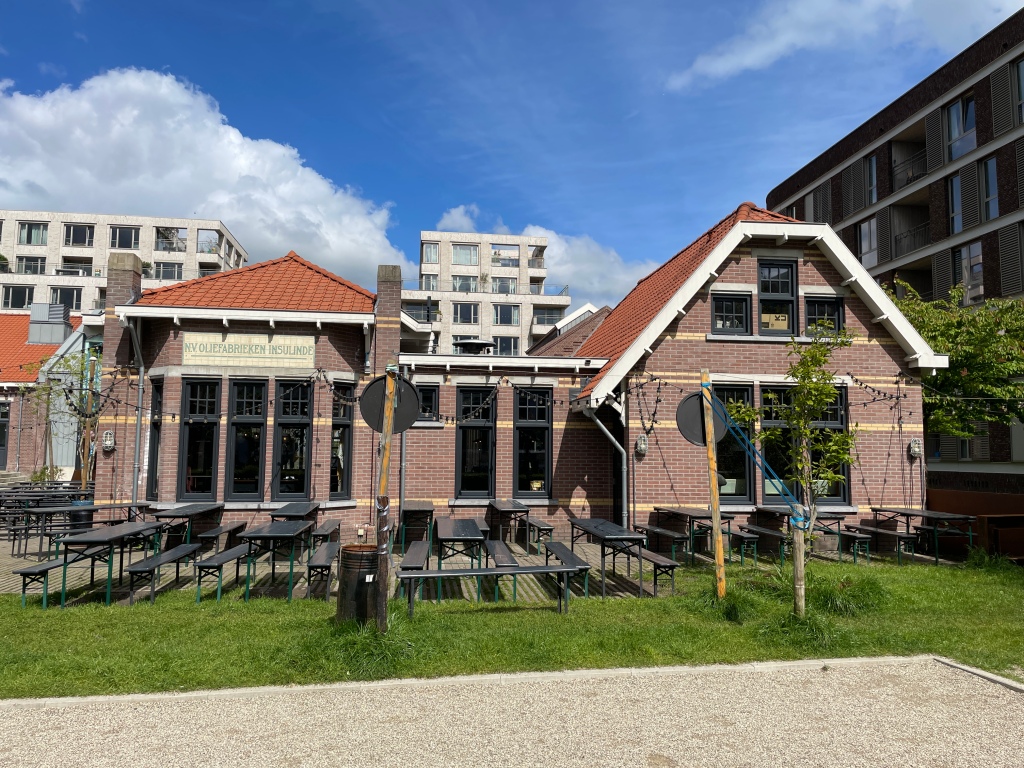
The house of the owner now houses the brewery and brewpub. Some might remember it as the home of the Bruut brewery once. A brewery that Ward, the brewer and part-owner, was once part of but that split into several new businesses, Krux being one of them. Ward also has a personal connection to Dutch brewing history. His onetime neighbor was Kasper Peterson who, with the money he made from penning a number one hit song (Drukwerk’s Je Loog Tegen Mij), decided to start a brewery. That brewery was ‘t IJ, located on the beginning of the island next to the now iconic windmill. But knowing a brewer wasn’t the only thing, Ward also learned to brew in several places, including a high profile brewing school in Gent, Belgium. It made him a technically very efficient brewer who can now use solid brewing techniques while making modern beers.
But back to the Krux building. The ground floor is split into two separate rooms.
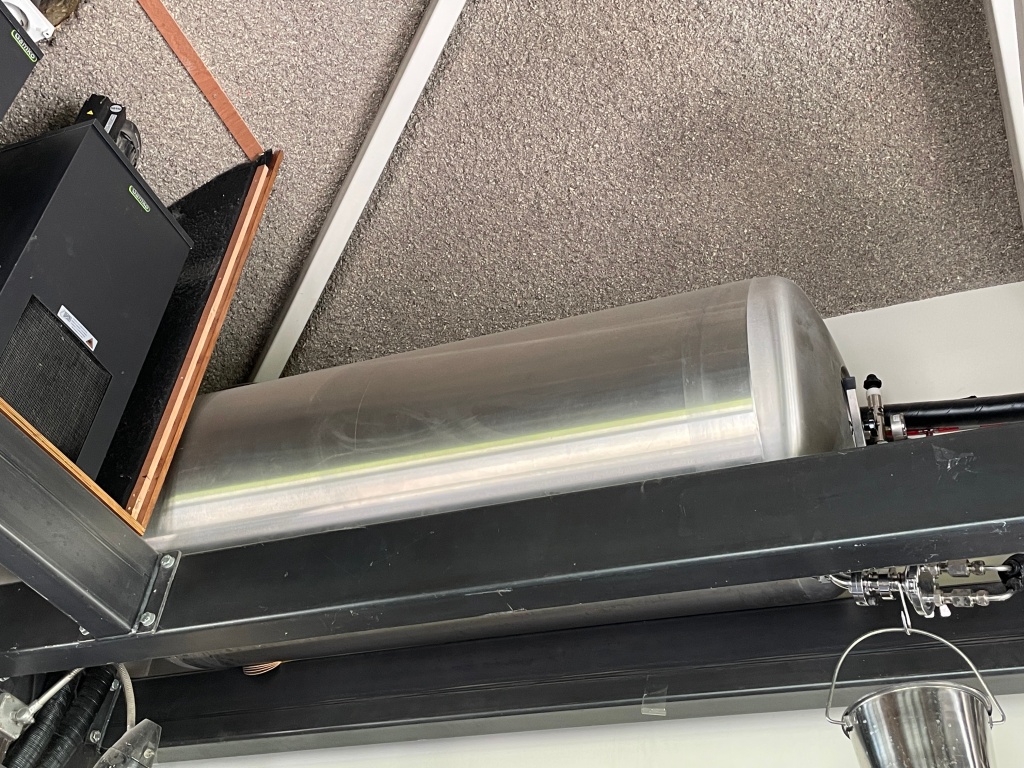
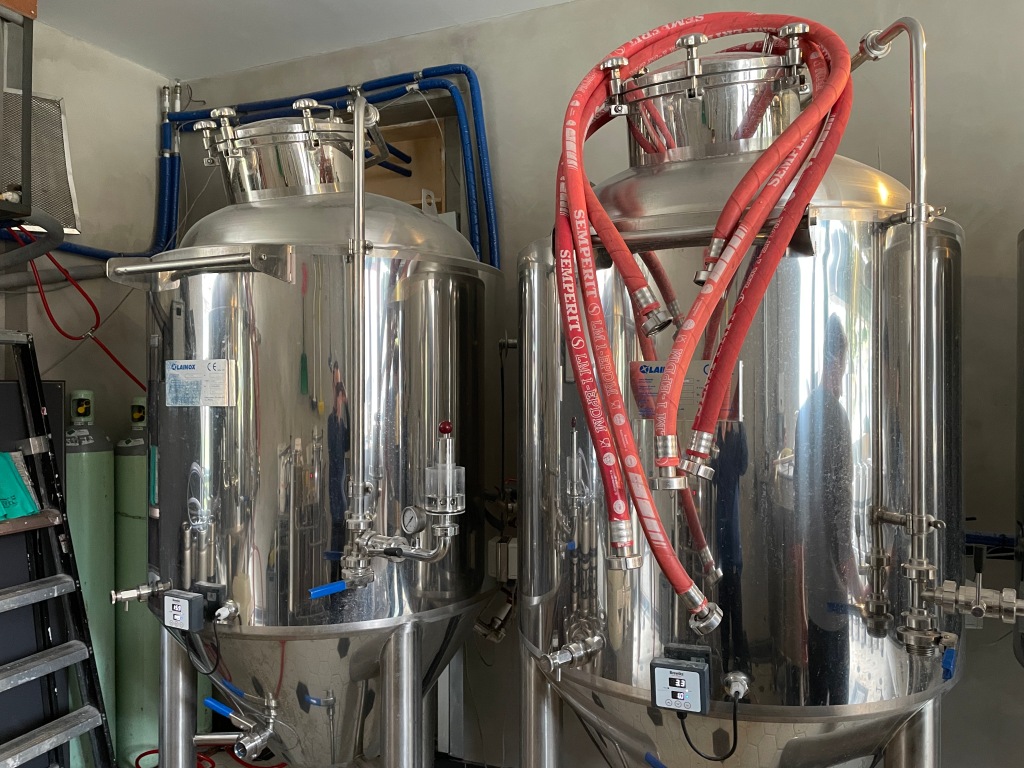
One for the brewery and the rest for the brewpub. The brewery is small with a capacity to make around 700-800 liters batches that all goes into kegs. Some brews go into bigger tanks on the ceiling, with space for 500 liters, and above the bar where beer is poured into directly from the brewery through a small hole in the wall. The rest goes into other kegs for the brewpub or other bars. Like Joost for example. Not surprising, the owner of Joost also owns part of Krux.
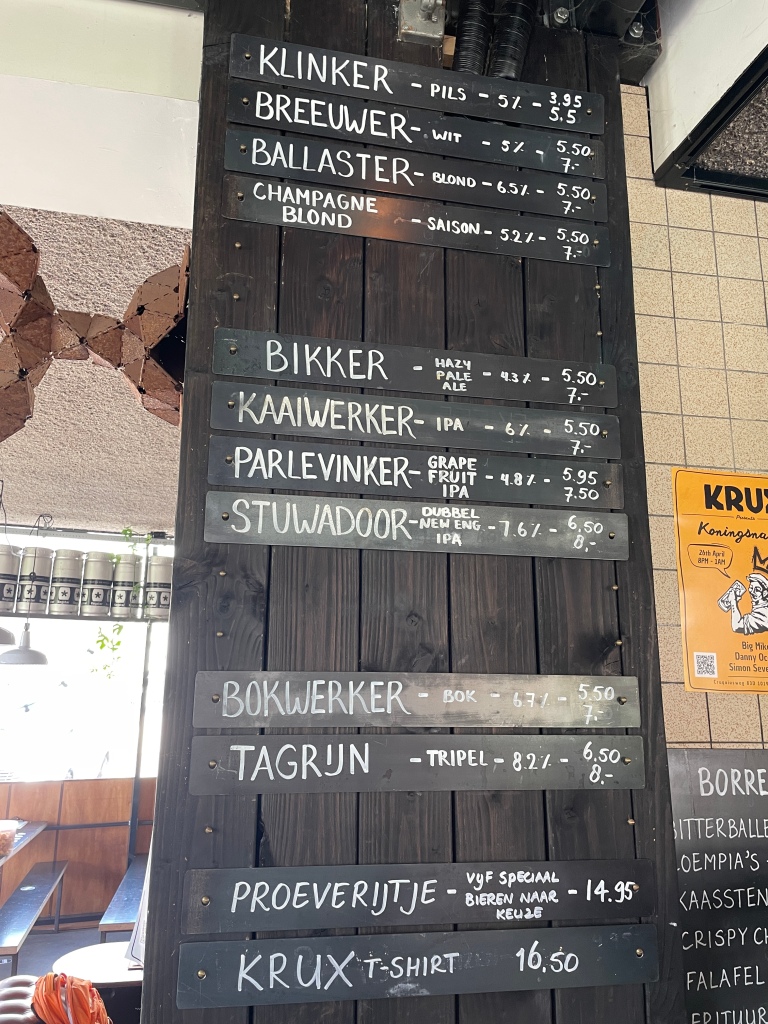
The beers have names that have something to do with professions concerning ships. Names like Stuwadoor (Stewart), Klinker (Riveter) and Breeuwer (Caulker). The beers are all well balanced with a percentage that is not too high, with some exceptions like the tripel. What this means is that there is a beer for everyone. A beer for the not too adventurous regular beer drinker who likes their tripel or blond. But also for the more adventurous beergeek who will try the grapefruit IPA or New England IPA.
The inside of the bar is fairly small but can still fit around 80 to a 100 people on a quiz night. But the outside is huge with plenty of space to sit and drink beer or eat some of the food they offer. The children can play while their parents drink.
The vibe in the brewpub is very Amsterdam, more than other beer places I would say. The accents are Amsterdam, Ajax games or shown on a screen and most of the music while I was there was Dutch with a tendency towards Amsterdam folk music. Think André Hazes if you are Dutch. As someone with Amsterdam roots and who has lived here for over a decade it felt a bit like home. A home that is not yet overrun with tourists who read this about place in their Lonely Planet Guide. Or on some English language blog about Dutch beer.
So if you ever want to drink good, locally-produced beer in Amsterdam but want to stay away from the usual places, head on over to Krux for yet another unique Amsterdam beer experience. It may be too late in a few years.
Visit the website of Krux Brewery here.
 Hop Culture Reference